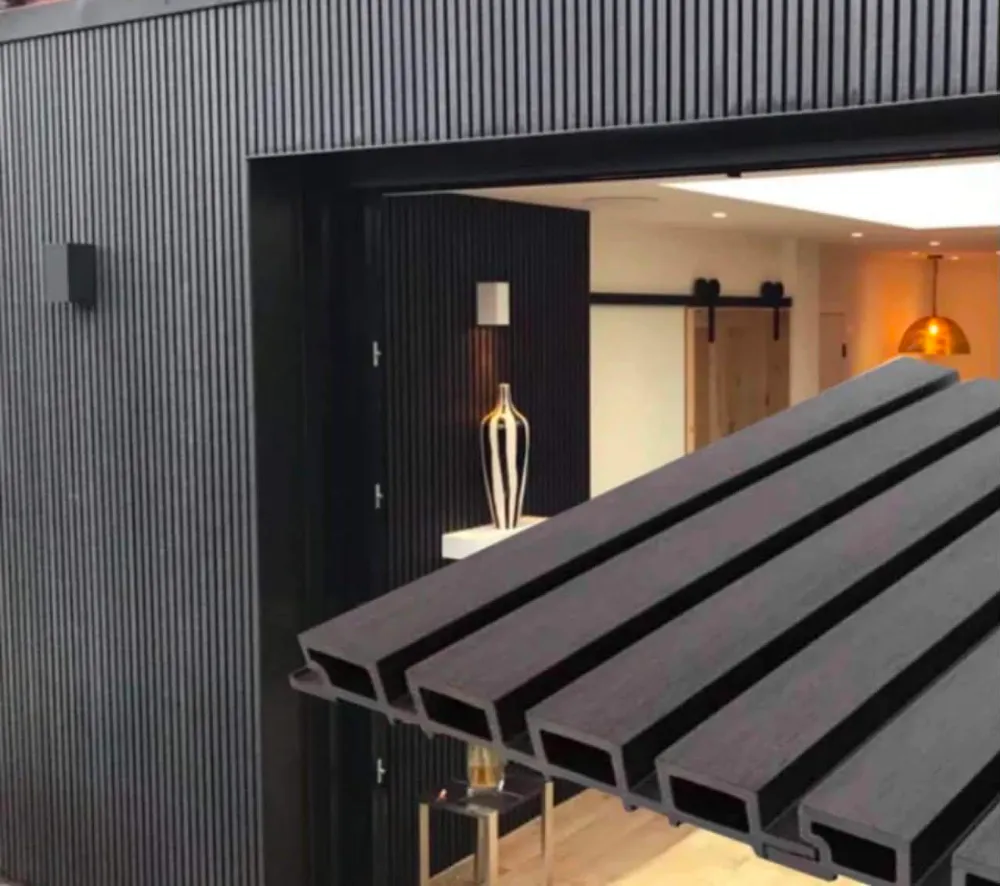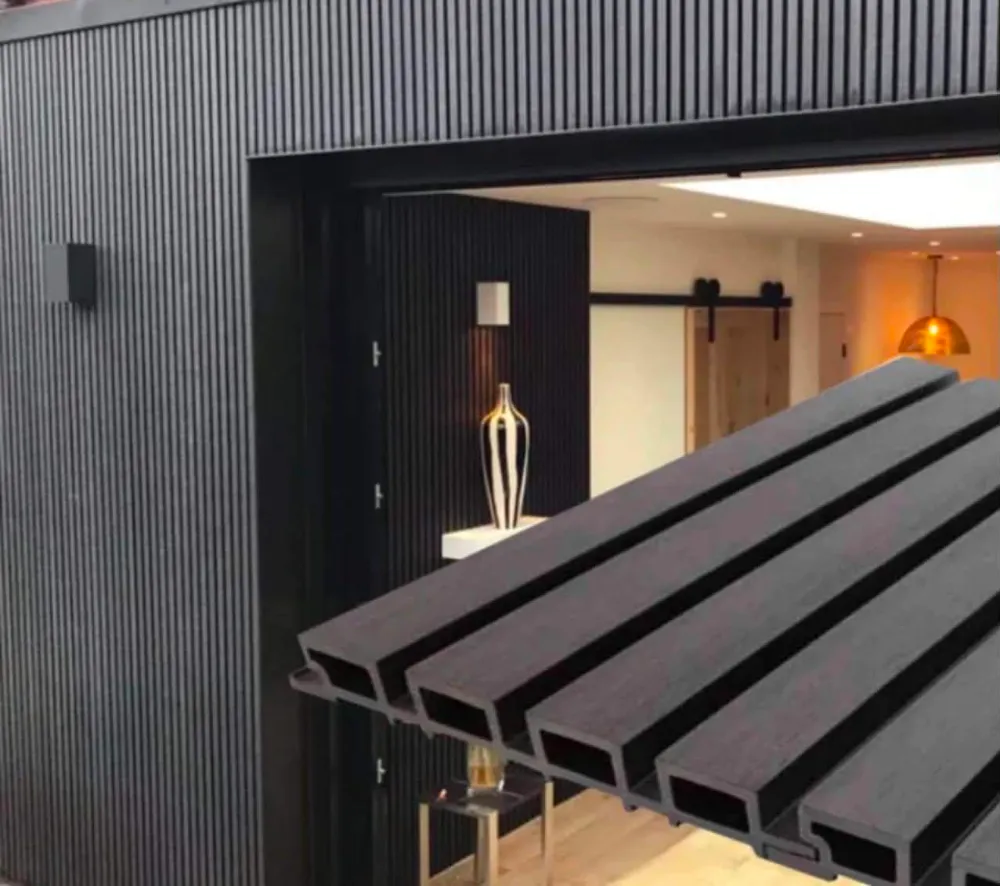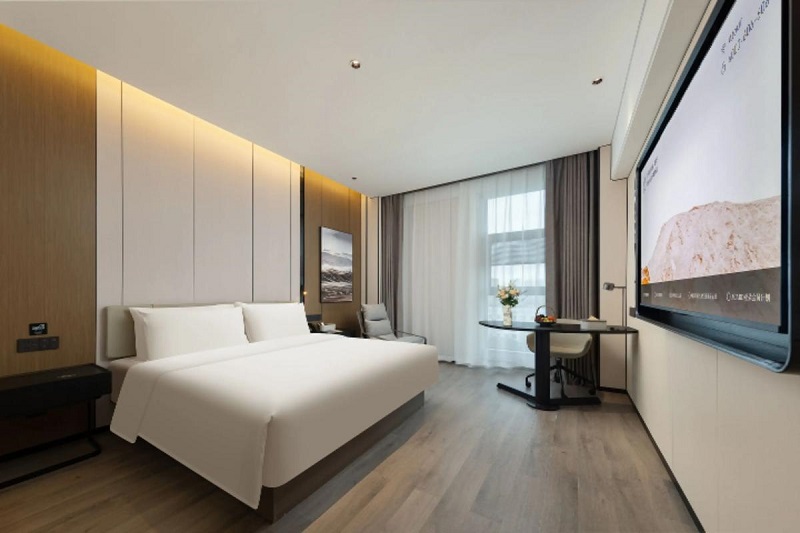

Xinghua Jiajupai New Materials Co., Ltd. is involved in the development of WPC Wall Cladding as outdoor projects place more attention on UV resistance, surface stability, and long-term appearance under changing weather conditions.
Outdoor Wall Materials Face Increasing Exposure Challenges
Exterior walls are continuously affected by sunlight, temperature changes, rain, humidity, and environmental pollution. Among these factors, ultraviolet radiation is one of the main causes of surface aging in many outdoor materials.
For decades, natural wood has been widely used in exterior decoration because of its warm texture and natural appearance. However, long-term exposure to sunlight can gradually affect wood color, surface condition, and maintenance requirements. Paints, coatings, and protective treatments are often used to slow these changes, but regular maintenance may still be needed depending on the climate.
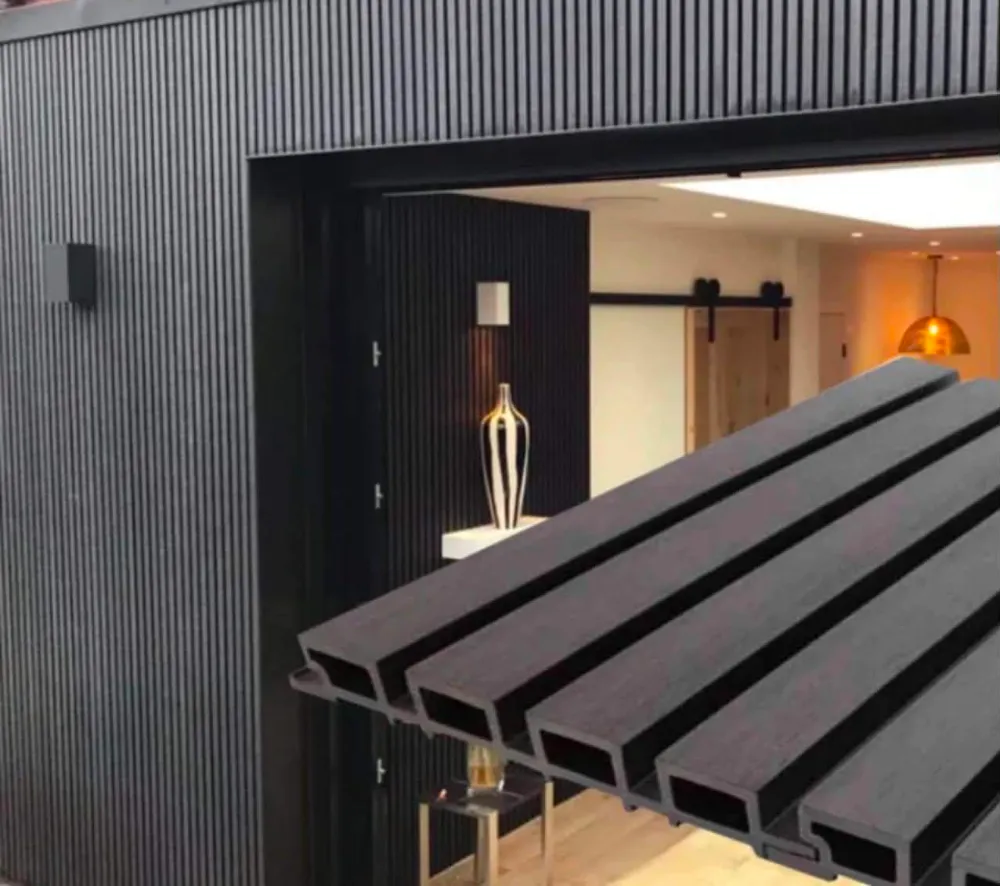
Similar considerations apply to other exterior materials. Some surfaces may experience fading, discoloration, or changes in appearance after years of exposure. As a result, UV resistance has become a more important factor when evaluating exterior decorative materials.
This change is influencing how architects, designers, and construction professionals look at composite wall materials. Appearance remains important, but maintaining that appearance under outdoor conditions has become part of the material selection process.
Why UV Resistance Matters for Exterior Applications
Ultraviolet radiation contains high-energy light that can gradually affect material surfaces. When exterior materials are exposed to strong sunlight for extended periods, several visible changes may occur:
- Color fading
- Surface chalking
- Loss of original texture
- Reduced visual consistency between panels
- Increased maintenance requirements
The impact is often more noticeable in regions with strong sunlight, high temperatures, or long outdoor exposure periods.
For exterior wall systems, maintaining a stable appearance across a large surface area is particularly important. A single faded panel may not be noticeable, but differences across an entire building facade can affect the overall visual effect.
This is one reason UV-resistant WPC Wall Cladding has gained attention in outdoor applications. By combining wood fibers with polymer materials and applying surface treatment technologies, these panels are designed to improve resistance against common outdoor aging factors.
The Shift From Appearance-Only Selection to Performance-Based Evaluation
In the past, exterior material selection was often strongly influenced by appearance. A wood texture, stone pattern, or modern finish could determine whether a material matched a design concept.
Today, the evaluation process has become broader.
| Selection Factor | Traditional Consideration | Current Project Concern |
|---|---|---|
| Appearance | Initial visual effect | Long-term color and texture stability |
| Weather Exposure | General outdoor suitability | Performance under sunlight, rain, and temperature changes |
| Maintenance | Short-term installation result | Future cleaning and repair requirements |
| Material Consistency | Individual panel appearance | Uniformity across large facade areas |
| Installation | Basic construction process | Efficiency and compatibility with building systems |
This shift does not mean traditional materials are unsuitable. Instead, it reflects a wider range of requirements in modern construction projects.
How UV Technology Influences WPC Panel Development
The performance of composite wall panels depends on several factors, including raw materials, production methods, surface layers, and quality control processes.
Modern WPC panels often use protective surface treatments and optimized formulations to improve resistance against outdoor conditions. These technologies aim to reduce the impact of sunlight exposure while maintaining the decorative appearance of the panel.
Different approaches may include:
Surface Protection Layers
A protective surface layer can help reduce direct exposure of the decorative surface to environmental factors. This layer plays a role in maintaining color stability and protecting the visible finish.
Improved Material Formulation
The combination of wood fiber and polymer components influences how a panel responds to moisture, heat, and sunlight. Adjusting material proportions and processing conditions can affect dimensional stability and outdoor performance.
Controlled Manufacturing Processes
Consistent production conditions are important because exterior panels are usually installed across large areas. Differences between individual panels can become more visible after installation, especially under direct sunlight.
Why Large Outdoor Projects Pay More Attention to Color Stability
Commercial buildings, residential developments, and public spaces often use large exterior surfaces where visual consistency matters.
A facade may contain hundreds or thousands of panels. If different sections age at different speeds, the building exterior may gradually develop uneven colors or surface differences.
For this reason, project planning increasingly considers:
- expected sunlight exposure;
- local climate conditions;
- facade orientation;
- surface color selection;
- maintenance plans;
- material aging characteristics.
Dark colors, for example, may create stronger visual contrast but can also absorb more solar heat compared with lighter finishes. Designers often consider color selection together with climate conditions and building orientation.
Outdoor Application Areas Continue to Expand
UV-resistant composite wall panels are being considered for various outdoor environments where both appearance and maintenance are important.
Residential Exterior Walls
Residential buildings often use exterior finishes to create a natural architectural style. Wood-look composite panels can provide a warm appearance while reducing some maintenance concerns associated with untreated outdoor wood.
Commercial Buildings
Commercial projects often require exterior materials that maintain a consistent appearance over large surfaces. Facade sections, entrance areas, and decorative walls may use composite panels as part of a broader design approach.
Semi-Outdoor Spaces
Balconies, covered walkways, outdoor leisure areas, and entrance structures often experience sunlight exposure while remaining partially protected from weather. These areas have increased interest in materials that combine decorative effects with outdoor adaptability.
Production Control Becomes More Important for Outdoor Panels
UV resistance is not determined by one single factor. Production consistency also influences how exterior panels perform over time.
Xinghua Jiajupai New Materials Co., Ltd. operates nine modern production lines equipped with automatic extrusion equipment, high-precision laminating machines, CNC slotting machines, and online inspection systems.
The production process covers raw material preparation, wallboard forming, surface treatment, quality inspection, and packaging. Thickness control can reach approximately 0.1 mm accuracy, helping maintain consistent panel dimensions during large-scale production.
For outdoor wall systems, consistent production is important because uneven thickness, surface treatment differences, or profile variations may become more noticeable after installation.
| Production Element | Purpose | Relationship With Outdoor Applications |
|---|---|---|
| Extrusion Control | Maintains panel structure | Supports dimensional stability |
| Surface Treatment | Protects decorative appearance | Helps improve resistance to outdoor exposure |
| Temperature Management | Controls processing conditions | Reduces material variation |
| Online Inspection | Identifies production differences | Improves consistency between panels |
UV Resistance Is Becoming One Part of Material Selection
The discussion around outdoor WPC materials is moving beyond simple questions about appearance. Modern projects increasingly consider how materials behave throughout their service period.
UV resistance, moisture performance, installation requirements, and maintenance expectations are now evaluated together rather than separately.
The development of WPC Wall Cladding reflects this broader change. Exterior materials are being selected not only for how they look on the first day after installation, but also for how they maintain their appearance after years of exposure.
As outdoor architecture continues to explore natural textures and low-maintenance surfaces, UV performance will remain an important consideration in the development and application of composite wall panels. Xinghua Jiajupai New Materials Co., Ltd.’s range of WPC Wall Panels, WPC Carbon Crystal Panels, Bamboo & Wood Fiber Panels, UV Wallboards, and Fluted Grid Wall Panels reflects the industry's continued focus on improving decorative materials for different building environments.