
Xinghua Jiajupai New Materials Co., Ltd. is among the companies developing WPC Wall Cladding solutions as architects seek exterior finishes with better moisture resistance, stable appearance, and easier installation compared with some traditional materials.
Exterior walls are exposed to changing weather conditions throughout the year. Sunlight, rain, humidity, temperature fluctuations, and pollution can gradually affect the appearance and structure of building surfaces. As a result, material selection is no longer based only on visual style.
Traditional finishes such as natural wood and stone remain widely used because of their unique textures and architectural value. However, each material has limitations in certain applications. Wood may require regular maintenance to protect against moisture and surface aging, while stone often requires stronger structural support because of its weight.
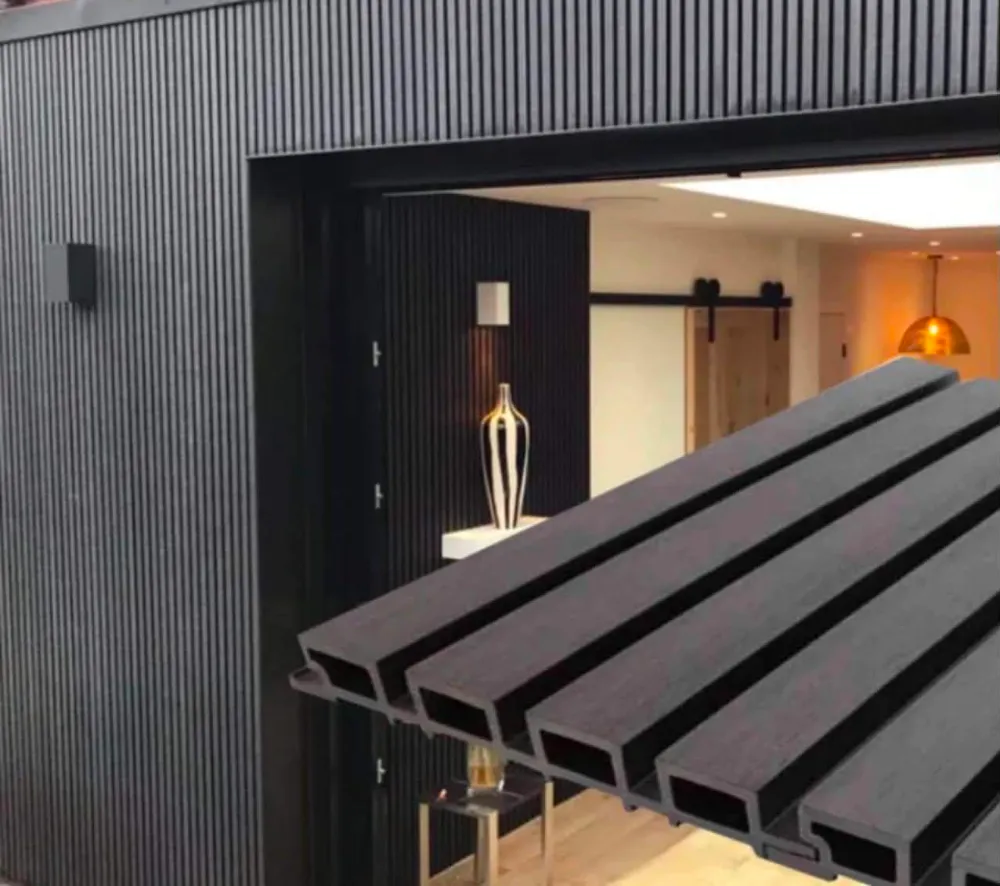
Modern projects increasingly need materials that combine appearance with practical installation requirements. This has encouraged architects to examine composite solutions that offer consistent dimensions, multiple surface designs, and better adaptability for different environments.
Natural materials have shaped architectural design for centuries, but construction methods and project requirements have changed.
Wood creates a warm and natural appearance, making it popular for residential and commercial designs. However, outdoor wood applications may face issues such as moisture absorption, color changes, and deformation if protective measures are not properly maintained.
Stone provides a strong and premium appearance, but transportation, structural requirements, and installation processes can increase project complexity, especially when large exterior areas are involved.
The following comparison shows how different exterior materials respond to common project considerations:
| Exterior Material | Visual Characteristics | Maintenance Considerations | Installation Factors |
|---|---|---|---|
| Natural Wood | Natural grain and warm texture | Requires regular protection in outdoor environments | Depends on climate and installation quality |
| Stone | High-end appearance and solid texture | Generally stable but difficult to modify after installation | Requires stronger supporting structures |
| Metal Panels | Modern appearance and structural strength | Surface treatment may be needed for specific environments | Suitable for industrial and contemporary designs |
| Composite Wall Panels | Various textures and consistent appearance | Designed for easier routine maintenance | Lightweight structure and standardized dimensions |
The purpose of composite materials is not to replace every traditional option. Instead, they provide another choice for projects where maintenance, weight, and installation efficiency are important considerations.
The development of decorative composite panels has expanded beyond simple interior decoration. Advances in material processing have allowed these panels to be used in more demanding applications.
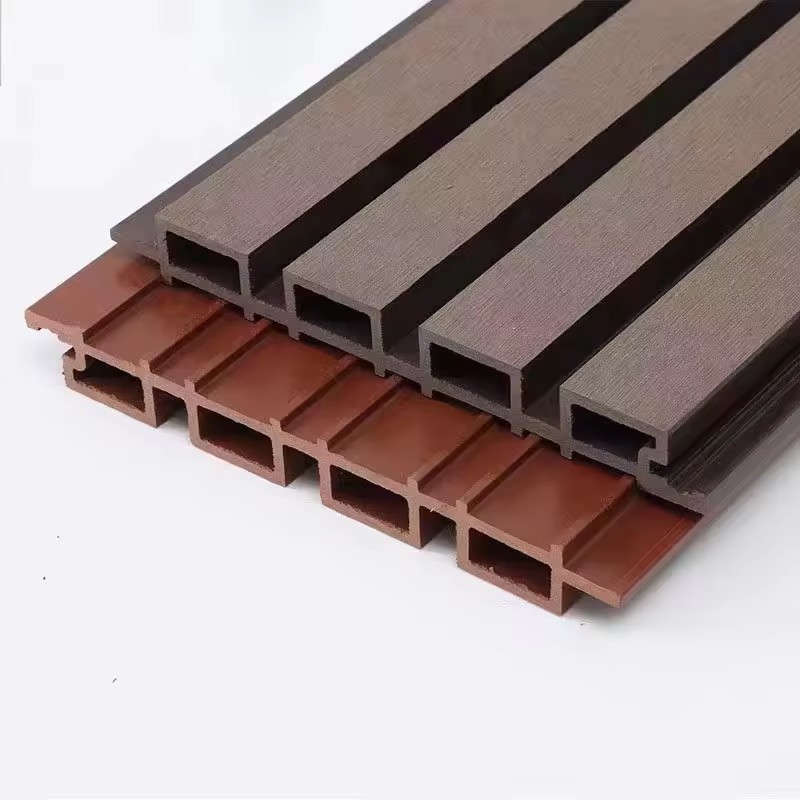
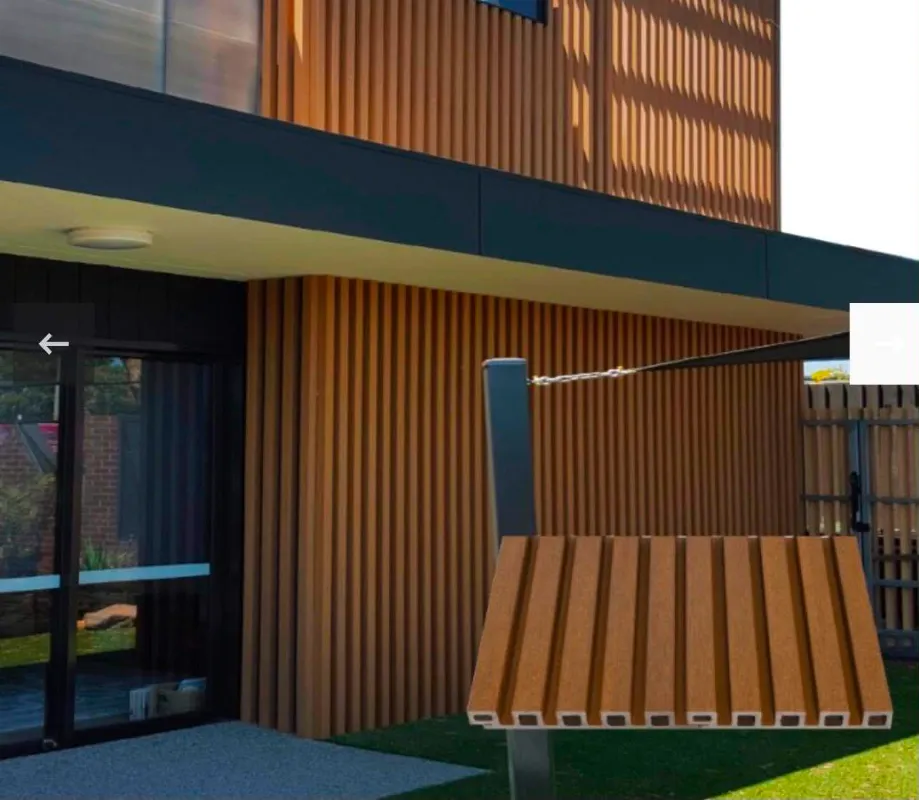
WPC Wall Cladding combines wood fibers with polymer components to create panels that maintain a wood-inspired appearance while improving resistance against common outdoor challenges such as moisture exposure and dimensional changes.
Several factors are influencing its wider application:
These characteristics have made composite wall systems an option for projects that require both decorative effects and practical performance.
Architectural design today includes a wide range of styles, from natural residential appearances to modern commercial façades. Materials need to adapt to different visual concepts without creating significant production variation.
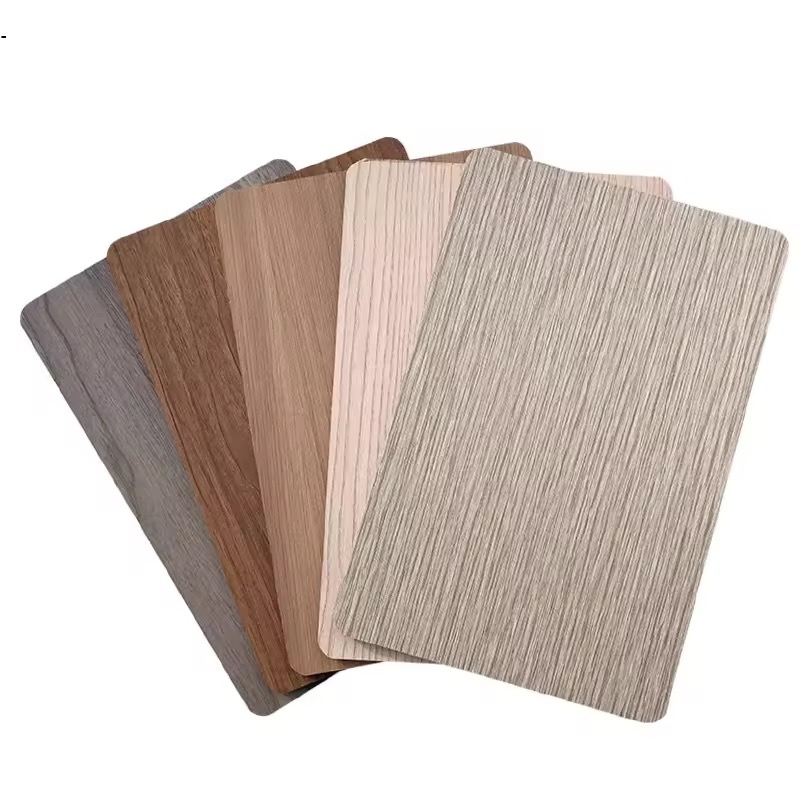
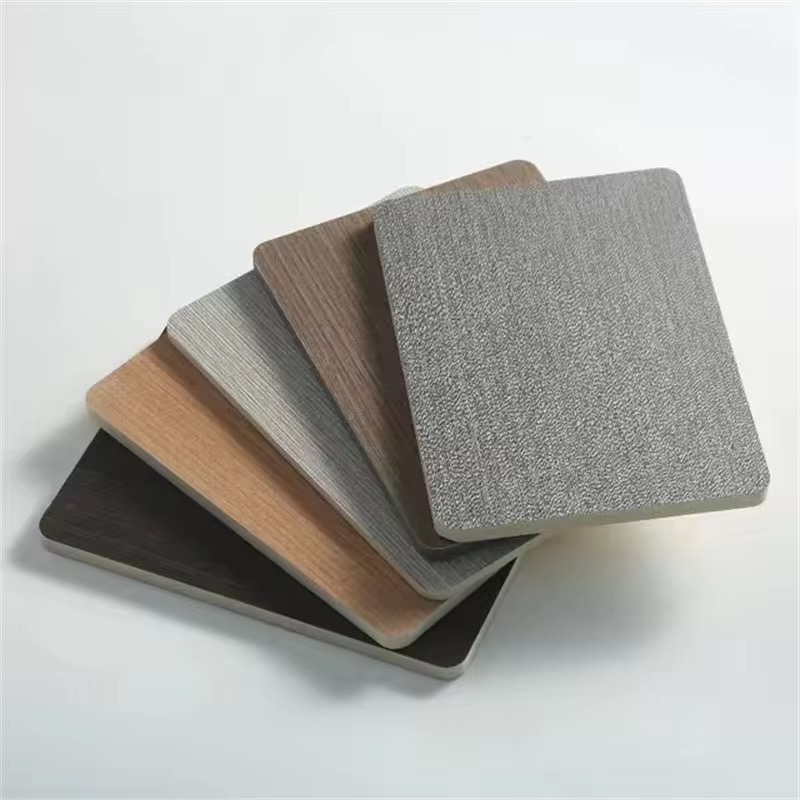
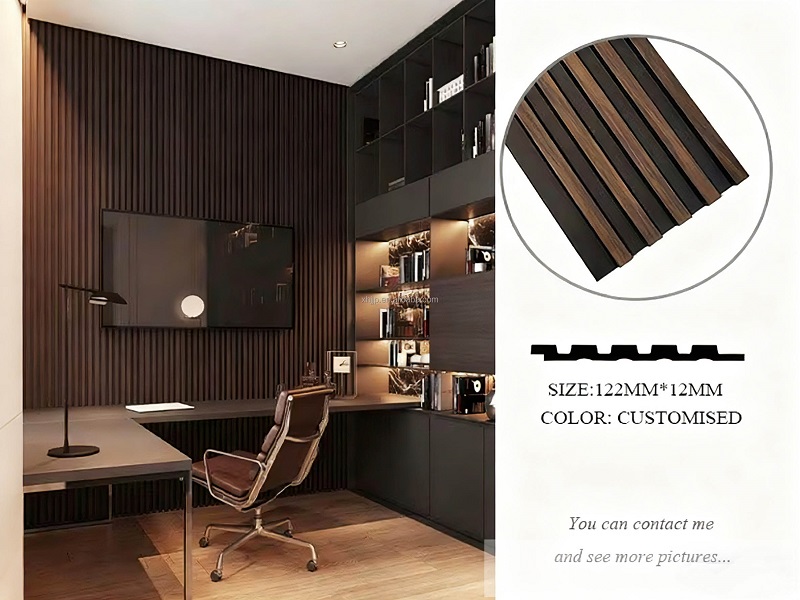
One important development in composite panels is the ability to reproduce natural surface patterns. Advanced surface treatments can create realistic wood grain effects while maintaining more uniform appearance between panels.
For large buildings, visual consistency is often difficult to achieve with natural materials because each piece may have different colors, textures, or patterns. Engineered panels provide a more controlled alternative.
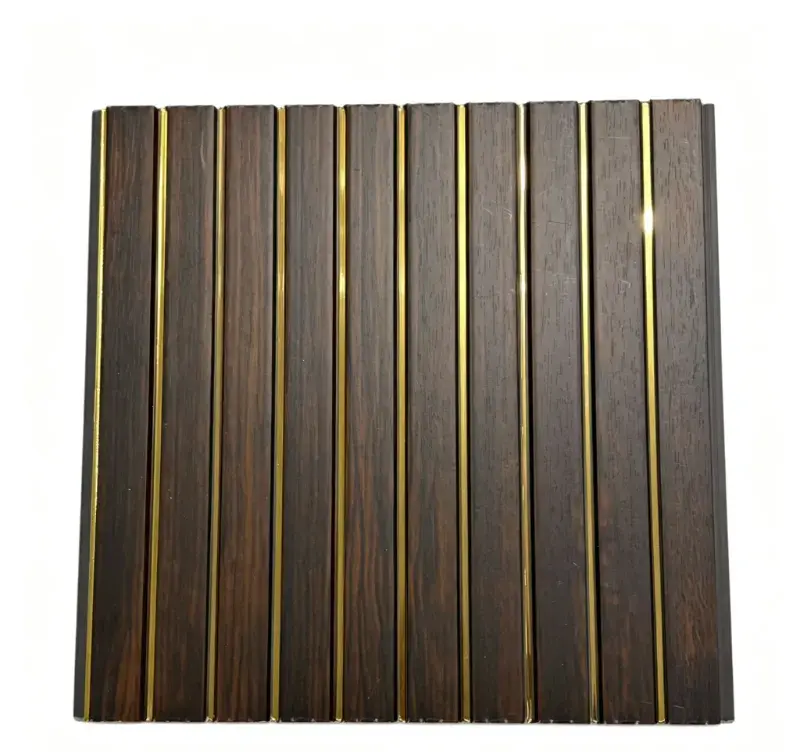
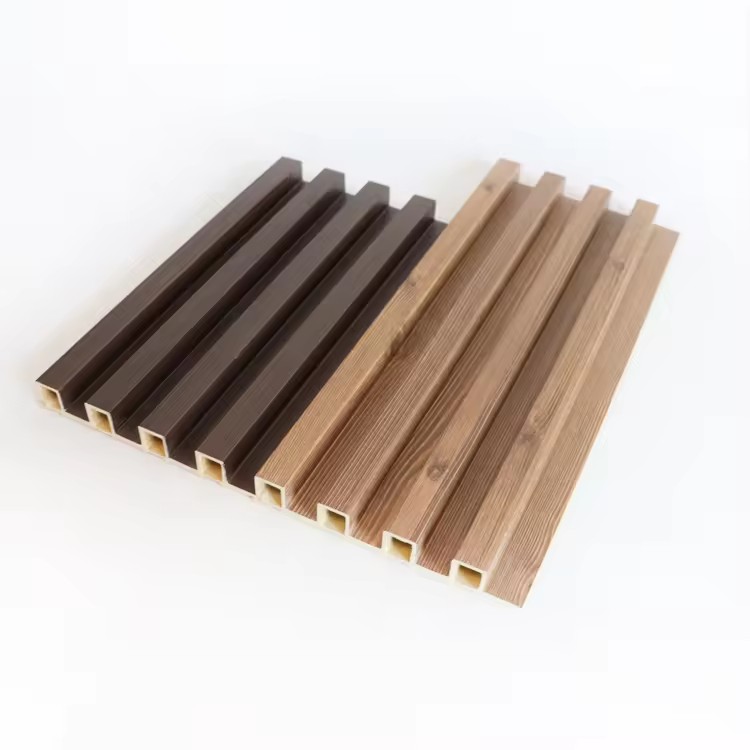
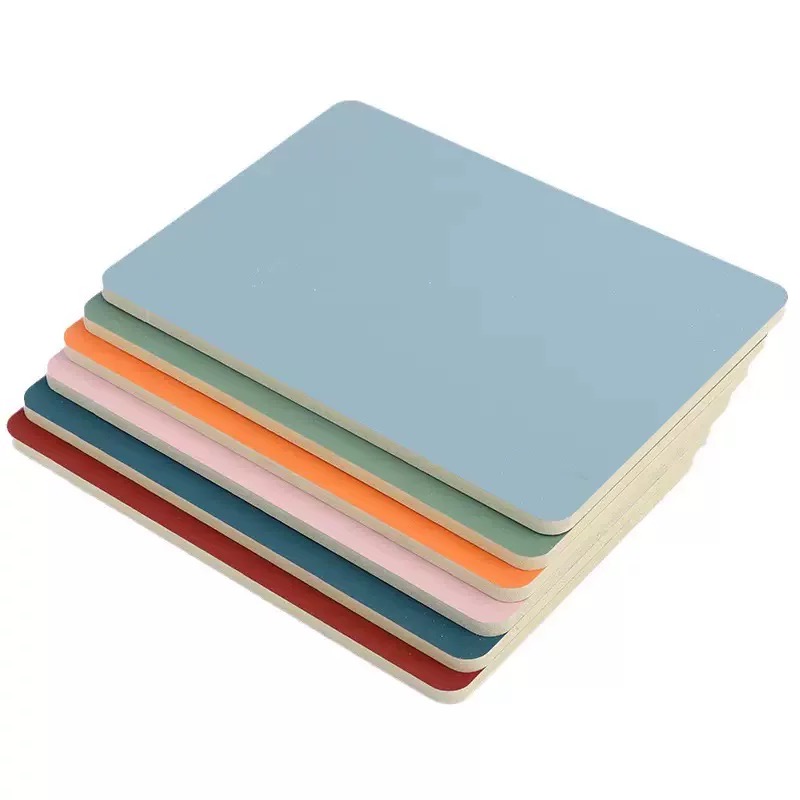
Xinghua Jiajupai New Materials Co., Ltd. produces a range of decorative panels, including WPC wall panels, WPC carbon crystal panels, bamboo & wood fiber panels, UV wallboards, and Fluted Grid Wall Panels. These products cover different decorative requirements from interior feature surfaces to exterior applications.
For large-scale construction projects, production stability directly affects installation results. Differences in thickness, surface finish, or panel dimensions can create additional adjustments during construction.
Xinghua Jiajupai New Materials Co., Ltd. operates a production base with nine modern production lines covering raw material processing, extrusion forming, surface treatment, inspection, and packaging.
The production system includes automatic extrusion equipment, high-precision laminating machines, and CNC slotting equipment. Intelligent temperature control and online inspection systems help maintain production accuracy, including thickness control at approximately 0.1 mm levels.
| Production Process | Main Function | Effect On Panel Quality |
|---|---|---|
| Raw Material Processing | Controls composite material preparation | Improves consistency between batches |
| Extrusion Forming | Creates the basic panel structure | Maintains stable dimensions |
| Surface Lamination | Adds decorative finishes | Provides different textures and colors |
| CNC Slotting | Processes connection structures | Supports installation accuracy |
| Online Inspection | Monitors production conditions | Reduces quality variation |
Stable production processes are especially important when panels are used across large façade areas where visual differences are easily noticeable.
Composite exterior panels are being considered in different types of construction projects because they provide design flexibility and practical installation advantages.
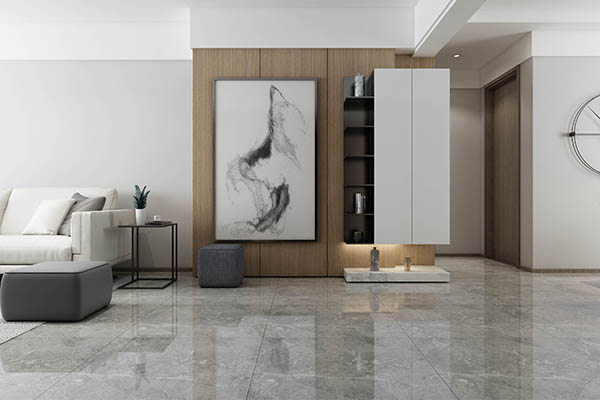
Residential projects often focus on creating natural-looking façades while reducing future maintenance work. Composite panels can provide wood-style appearances for houses, villas, and residential developments.
Standardized panel designs also help maintain consistent exterior styles across multiple buildings within the same project.
Commercial architecture often requires distinctive exterior elements. Composite panels can be used for decorative walls, façade sections, entrance areas, and architectural highlights.
Their ability to combine different textures and patterns allows designers to create customized appearances without relying only on natural materials.
Building renovation often involves limitations related to existing structures. Lightweight decorative panels can provide an efficient method for updating exterior appearances where heavier materials may create additional challenges.
Material selection usually involves balancing several requirements rather than focusing on one feature.
| Selection Factor | Why It Matters |
|---|---|
| Weather Resistance | Determines suitability for outdoor environments |
| Appearance Stability | Maintains consistent visual quality over time |
| Installation Method | Influences construction efficiency |
| Maintenance Requirements | Affects long-term building management |
| Design Options | Supports different architectural concepts |
A material with attractive appearance but high maintenance demands may not meet the needs of every project. This is why composite materials are receiving more attention in exterior design discussions.
The increasing use of composite exterior finishes reflects a change in how architects evaluate building materials. Appearance remains important, but factors such as installation efficiency, maintenance requirements, and production consistency now have greater influence on material decisions.
WPC Wall Cladding provides an alternative approach by combining wood-like aesthetics with engineered material performance. Its development shows how exterior decoration is moving toward solutions that balance design requirements and practical construction conditions.
With nine production lines and an annual production capacity of up to 5 million square meters of WPC and PVC wall panels, Xinghua Jiajupai New Materials Co., Ltd. continues to produce WPC Wall Panels, WPC Carbon Crystal Panels, Bamboo & Wood Fiber Panels, UV Wallboards, and Fluted Grid Wall Panels for different architectural applications. These products reflect the growing demand for exterior materials that combine consistent quality, flexible design, and easier maintenance planning.