
Xinghua Jiajupai New Materials Co., Ltd. is exploring how WPC Wall Cladding technology is evolving to meet outdoor decoration demands, offering new possibilities beyond traditional wood and stone materials.
For decades, exterior wall decoration has mainly relied on natural materials such as wood, stone, and traditional masonry systems. While these materials remain popular for their appearance and durability, modern construction projects are facing new challenges, including complicated installation processes, maintenance costs, weather resistance requirements, and increasing demand for sustainable solutions.
As building design becomes more diverse, decorative materials are expected to provide not only attractive surfaces but also practical performance in different environments. This change has encouraged the development of advanced composite materials that combine appearance, stability, and easier application.
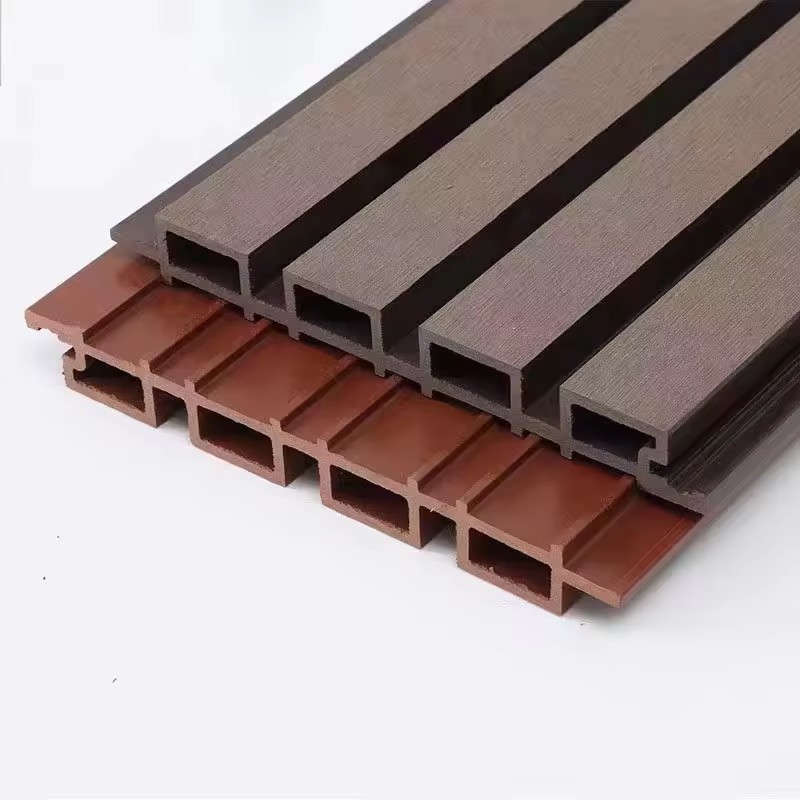
Among these emerging solutions, WPC Wall Cladding has gained attention because it integrates wood-like visual characteristics with improved resistance against moisture, temperature changes, and daily environmental exposure. The material is gradually becoming an alternative option for residential buildings, commercial spaces, and public projects where traditional materials may require more maintenance.
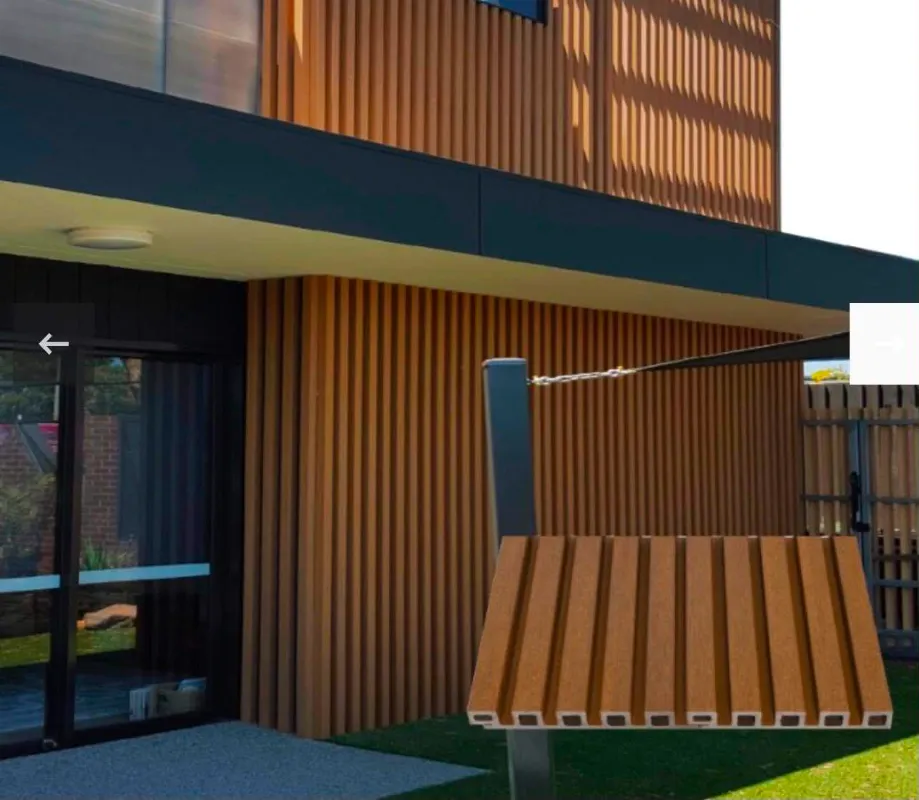
Wood and stone have long been valued for their natural textures and premium appearance. However, their performance can vary significantly depending on climate conditions and installation quality.
Natural wood used for exterior applications often requires regular protection treatments to reduce risks related to moisture absorption, cracking, fading, and insect damage. Stone, while highly durable, may involve heavier structures, more complex installation procedures, and higher requirements for supporting systems.
The following comparison shows why new composite materials are attracting attention in modern architectural applications:
| Material | Visual Characteristics | Maintenance Requirements | Environmental Adaptability | Installation Considerations |
|---|---|---|---|---|
| Natural Wood | Authentic grain and warm appearance | Requires regular maintenance and protection | Sensitive to moisture and climate changes | Needs professional installation methods |
| Natural Stone | Premium texture and strong appearance | Generally low maintenance but difficult to repair | Strong durability but affected by weight and structure | Requires stronger supporting systems |
| WPC Wall Panels | Wood-inspired designs with consistent appearance | Easier routine maintenance | Designed for better moisture and weather resistance | Suitable for efficient installation |
This does not mean traditional materials are disappearing. Instead, the industry is seeing a shift toward materials that can balance design expectations with practical construction needs.
The evolution of WPC materials has moved beyond indoor decorative applications. Earlier generations mainly focused on interior wall decoration, but current production technologies have improved their adaptability for wider application scenarios.
Modern exterior-grade WPC solutions focus on several important improvements:
Exterior walls experience continuous exposure to sunlight, rain, humidity, and temperature changes. Material stability has become one of the most important considerations in outdoor decoration.
Through optimized formulations and production processes, advanced WPC panels are designed to maintain structural consistency while reducing common problems associated with traditional wood products, such as swelling and deformation caused by moisture.
For regions with seasonal climate changes, this stability provides more flexibility in architectural design and long-term maintenance planning.
One reason wood and stone remain popular is their visual appeal. Modern decorative panels are therefore not only focused on performance but also on design.
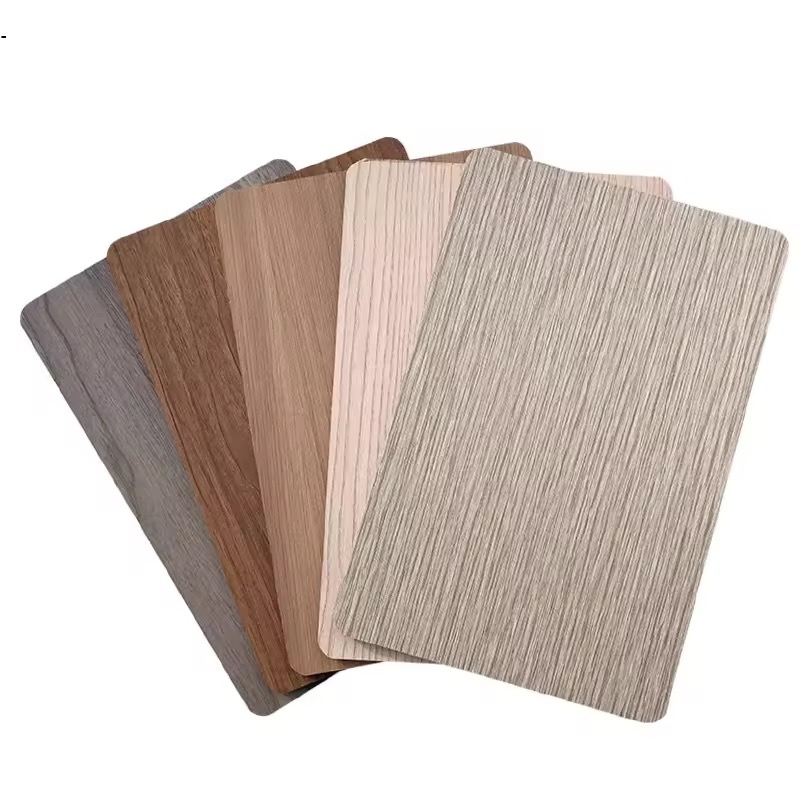
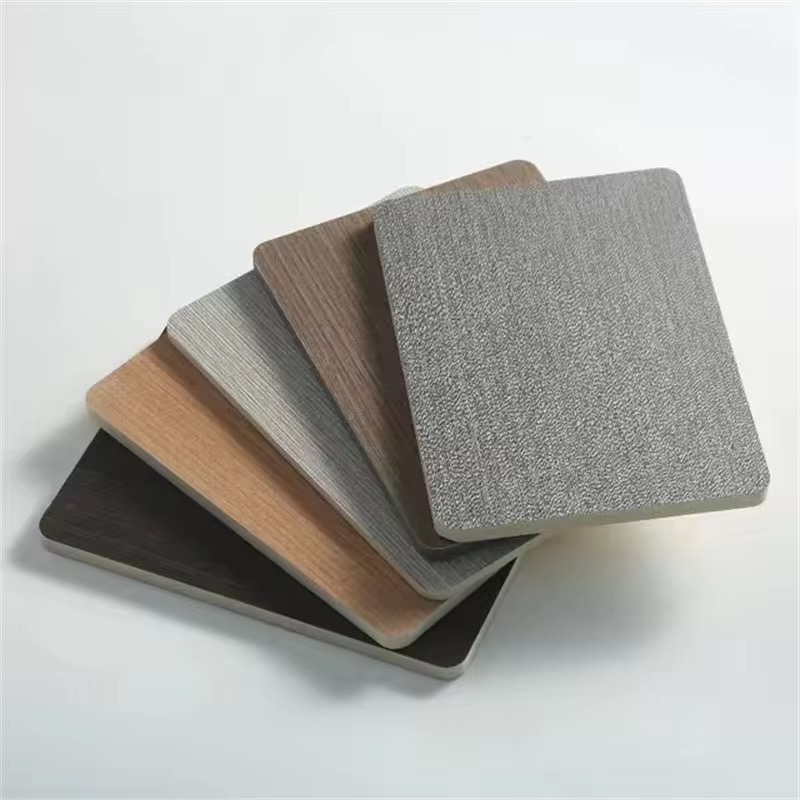
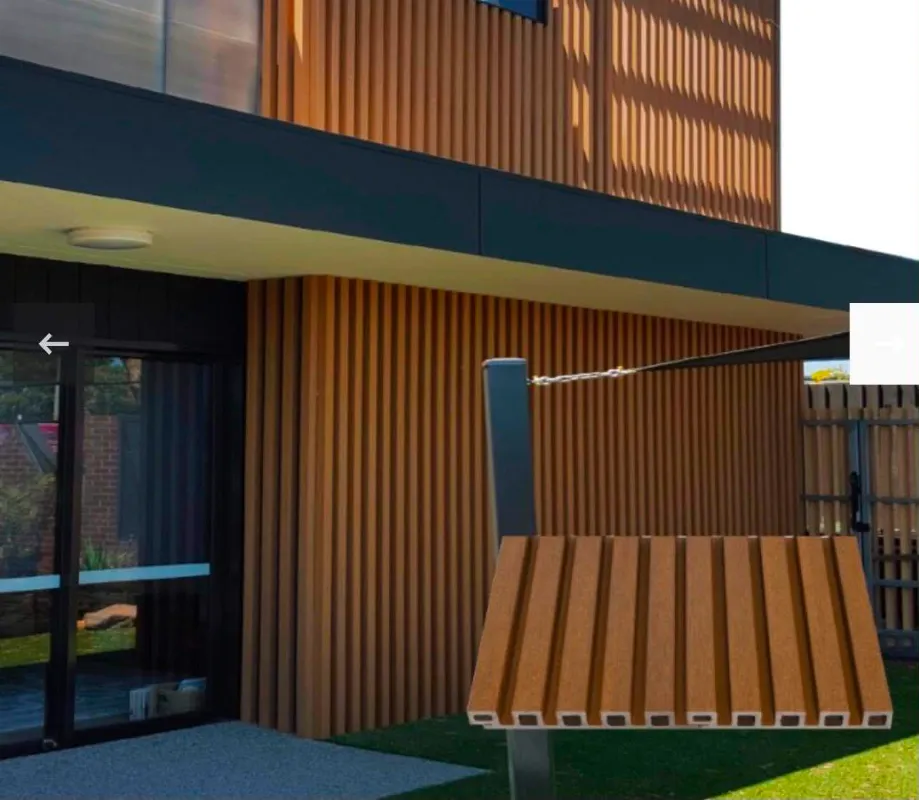
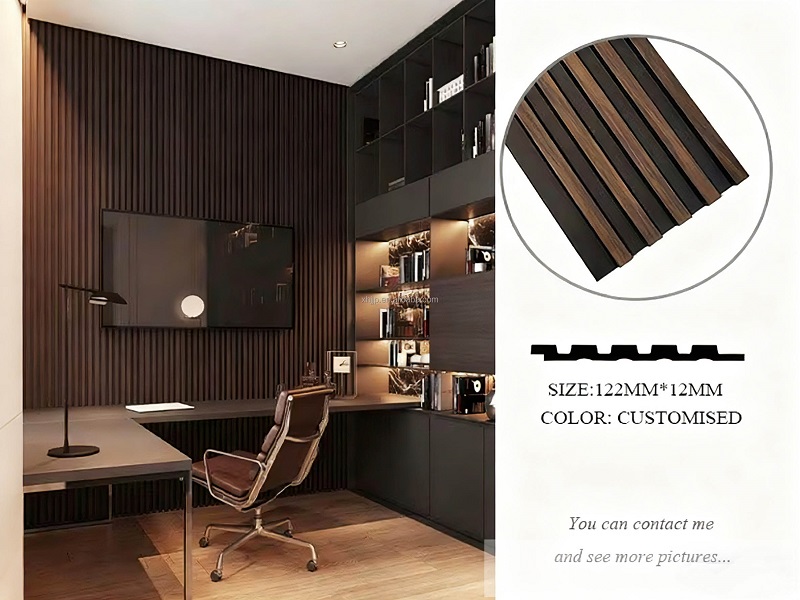
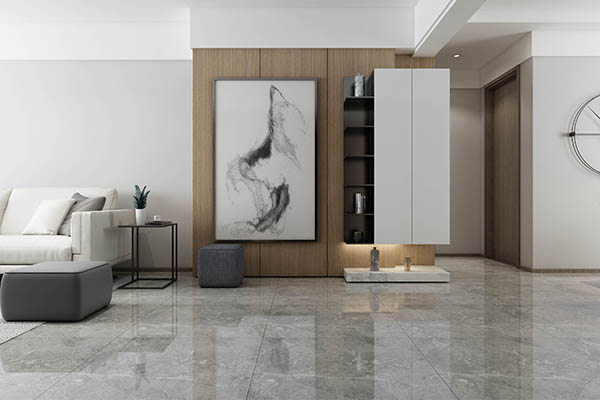
WPC Wall Cladding products can replicate various surface effects, including wood grain textures, stone patterns, and contemporary decorative finishes. This allows architects and designers to achieve different visual styles without relying entirely on natural resources.
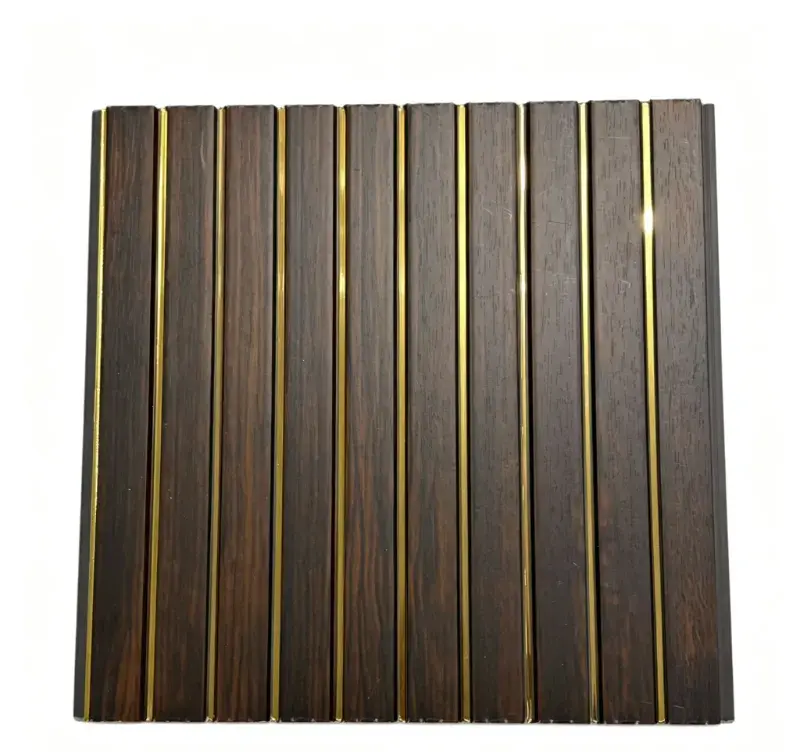
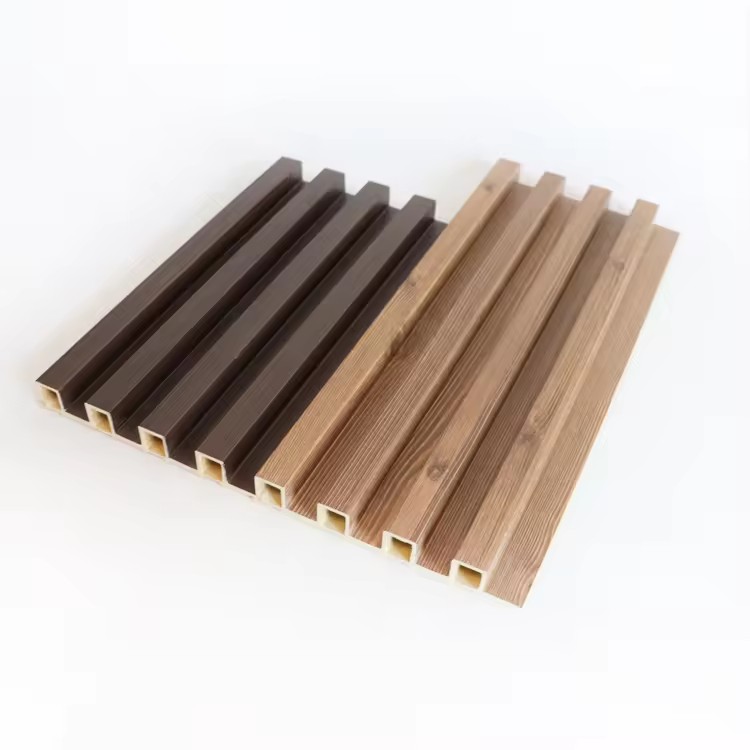
Xinghua Jiajupai New Materials Co., Ltd. has developed multiple decorative panel categories, including WPC wall panels, WPC carbon crystal panels, bamboo & wood fiber panels, UV wallboards, and Fluted Grid Wall Panels, supporting different interior and exterior decoration concepts.
The performance of modern composite wall panels depends not only on the material formula but also on production control. As the demand for large-scale architectural decoration increases, consistency between different batches has become an important factor affecting project quality.
Xinghua Jiajupai New Materials Co., Ltd. has expanded its production capability from the initial two production lines to nine modernized production lines, integrating raw material processing, panel forming, surface treatment, quality inspection, and packaging procedures within its production base.
The factory applies automated extrusion equipment, high-precision laminating machines, CNC slotting machines, and supporting production systems. These technologies help improve production efficiency while maintaining stable panel dimensions and surface quality during continuous manufacturing.
For architectural projects requiring consistent appearance across large areas, production stability can reduce challenges caused by material variation. This is especially important when decorative panels are used for commercial buildings, residential developments, and large renovation projects.
Different stages of manufacturing can affect the final performance of decorative panels. Key factors include:
| Production Stage | Main Function | Influence on Product Performance |
|---|---|---|
| Raw Material Processing | Preparing composite materials with controlled proportions | Helps maintain material consistency |
| Extrusion Forming | Creating the basic panel structure | Determines dimensional stability and strength |
| Surface Treatment | Adding textures, colors, or protective layers | Improves appearance and application flexibility |
| Quality Inspection | Checking thickness, surface condition, and structure | Supports stable performance in bulk production |
With intelligent temperature control and online inspection systems, modern production lines can monitor important parameters during manufacturing. This approach helps maintain accuracy and reduces differences between individual panels.
The development of exterior-grade composite materials has expanded the possible uses of decorative panels. Today, designers and construction professionals are considering these materials for a wider range of environments.
Residential buildings are one of the most common application areas. Homeowners increasingly look for exterior finishes that provide a modern appearance without requiring frequent maintenance. Composite panels can create clean façade designs while reducing some of the maintenance concerns associated with natural wood.
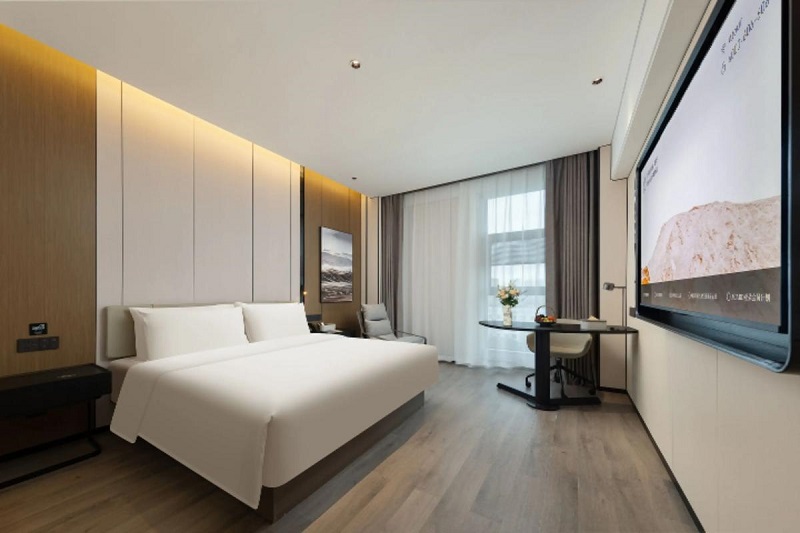
Commercial buildings, hotels, office spaces, and public facilities are also exploring lightweight decorative solutions. In these projects, appearance consistency, installation efficiency, and long-term maintenance planning often influence material selection.
Common application scenarios include:
The growing application range shows that composite materials are no longer limited to a single decoration style. Instead, they are becoming part of a broader movement toward flexible building design.
The popularity of composite wall decoration is closely connected with changing expectations in the construction industry. Projects today often require materials that can balance appearance, durability, installation convenience, and resource efficiency.
Compared with some traditional options, WPC Wall Cladding provides a different approach by combining decorative value with practical characteristics.
Several factors are influencing this trend:
Maintenance costs are an important consideration throughout a building’s service life. Exterior surfaces are constantly exposed to weather conditions, meaning frequent repairs or protective treatments can increase long-term management requirements.
Composite materials are designed to reduce some common maintenance issues. Their resistance to moisture and environmental changes makes them suitable for applications where stable appearance is expected over time.
Architectural styles continue to change, from natural-inspired designs to modern minimalist buildings. Materials that provide multiple surface options allow designers to adapt more easily to different concepts.
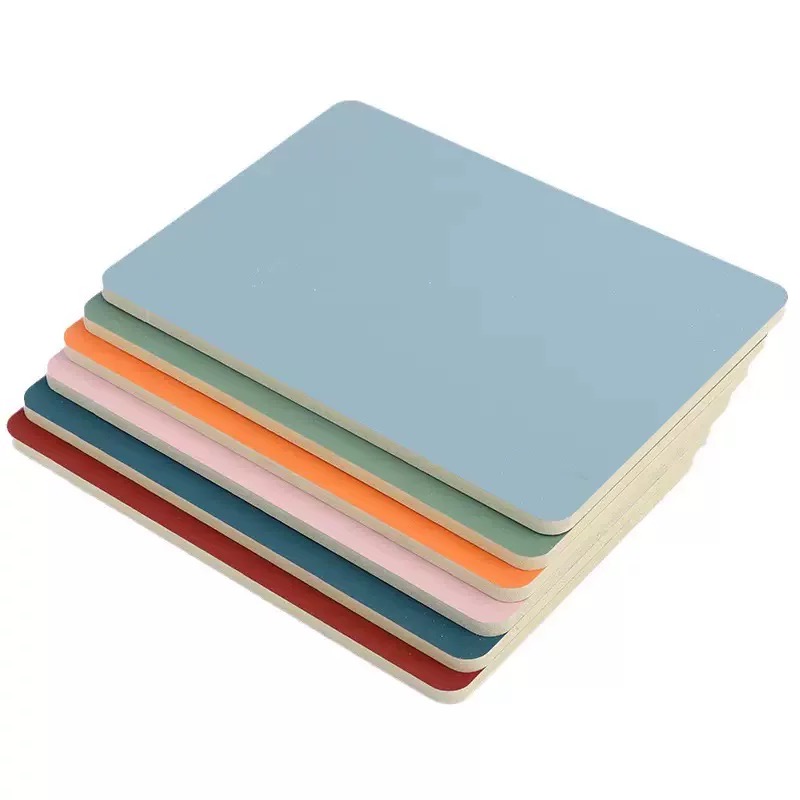
With various textures, colors, and structural designs available, WPC panels can support different visual requirements while maintaining consistent production quality.
Construction efficiency has become another important industry focus. Lightweight decorative panels can simplify transportation and installation compared with heavier materials.
For projects involving large decorative areas, easier handling and standardized panel dimensions can help improve overall construction organization.
The development of new decorative materials requires continuous improvement in production technology and market understanding. Companies with long-term experience in panel manufacturing are able to better respond to changing application requirements.
Since its establishment, Xinghua Jiajupai New Materials Co., Ltd. has focused on new decorative panel research and production. Its product range covers WPC wall panels, WPC carbon crystal panels, bamboo & wood fiber panels, UV wallboards, and Fluted Grid Wall Panels.
With an annual production capacity reaching 5 million square meters of WPC and PVC wall panels, the company has developed cooperation with decoration companies and building material distributors in different regions, while its products have gained applications across Southeast Asia, America, Europe, and South Africa.
The continuous expansion of production capability reflects a wider industry trend: decorative materials are moving toward higher consistency, broader application possibilities, and improved adaptability to different construction environments.
The competition between traditional materials and composite solutions is not simply about replacing one with another. Wood and stone continue to offer unique natural characteristics, while new materials provide additional choices for projects facing modern construction challenges.
The future direction of exterior decoration is likely to focus on balance — achieving attractive designs while improving durability, installation efficiency, and maintenance management.
As production technologies continue to develop, composite materials are expected to play a larger role in architectural decoration. The progress of WPC Wall Cladding reflects how the building materials industry is responding to changing expectations for practical and visually appealing solutions.
For companies and professionals evaluating new-generation decorative options, products such as WPC Wall Panels and related composite panels from Xinghua Jiajupai New Materials Co., Ltd. represent the ongoing evolution of wall decoration materials toward more stable, versatile, and modern applications.