UV resistance is becoming a key factor in outdoor wall material selection as architects consider long-term color stability, weather exposure, and maintenance requirements. This article explores how WPC Wall Cladding technologies, production control, and surface protection methods are influencing modern exterior decoration projects.
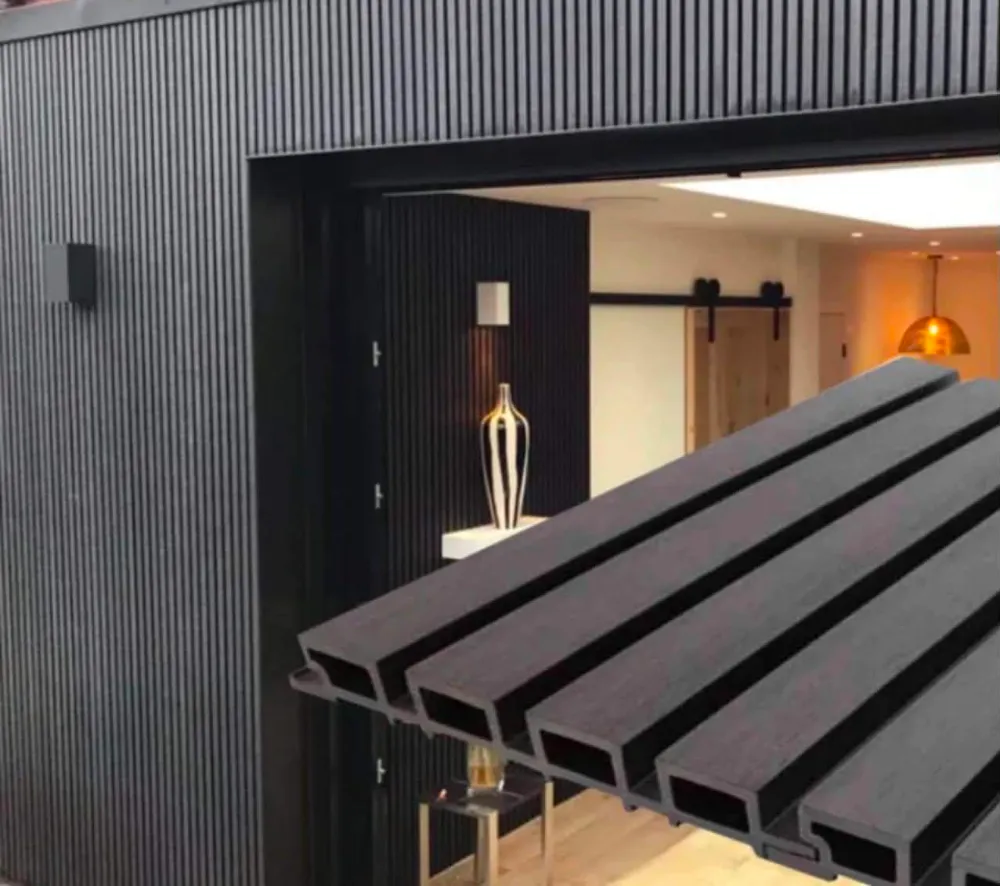
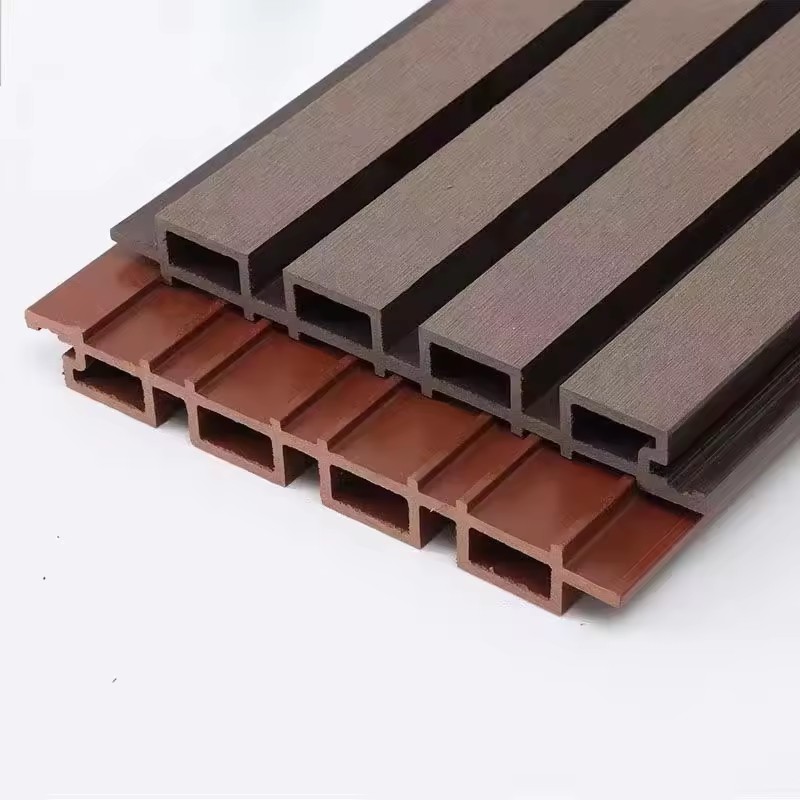
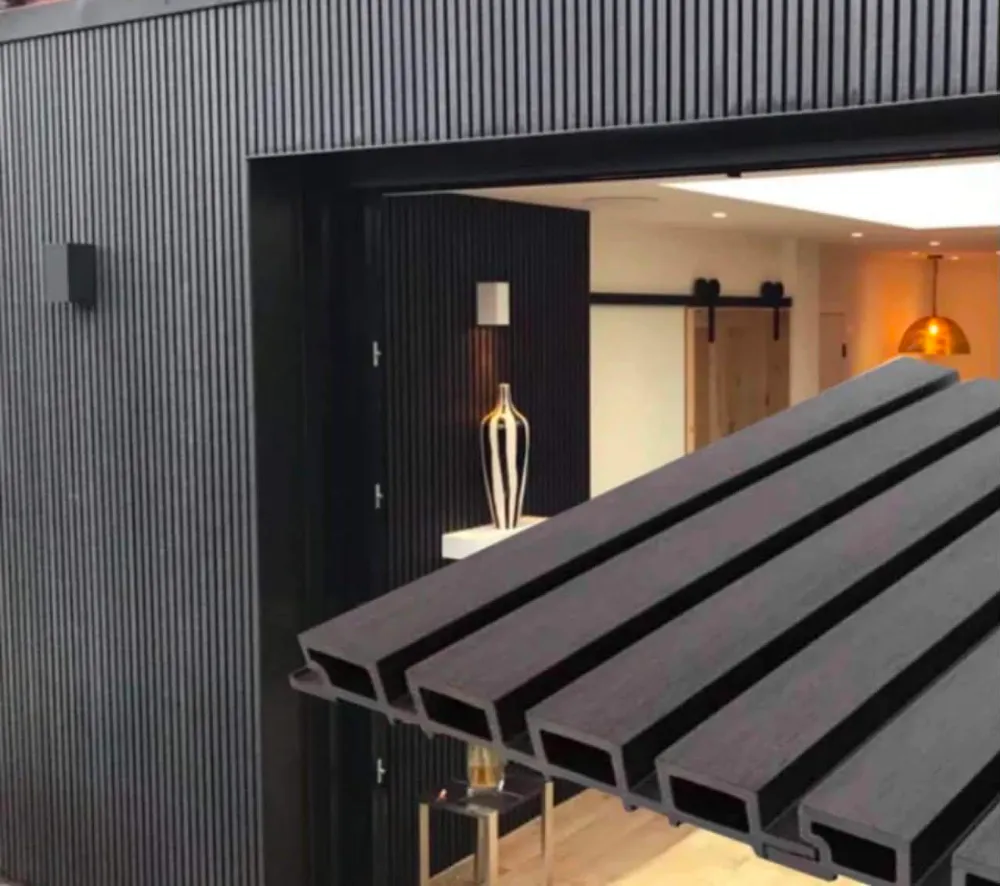
Deep-fluted WPC wall cladding is becoming more visible in contemporary exterior design as architects and facade designers place greater emphasis on surface depth, shadow lines, and material texture. Unlike flat wall panels, fluted profiles create alternating ridges and recessed channels across the surface, producing stronger changes in light and shadow throughout the day.
WPC Wall Cladding provides an alternative approach by combining wood-like aesthetics with engineered material performance. Its development shows how exterior decoration is moving toward solutions that balance design requirements and practical construction conditions.
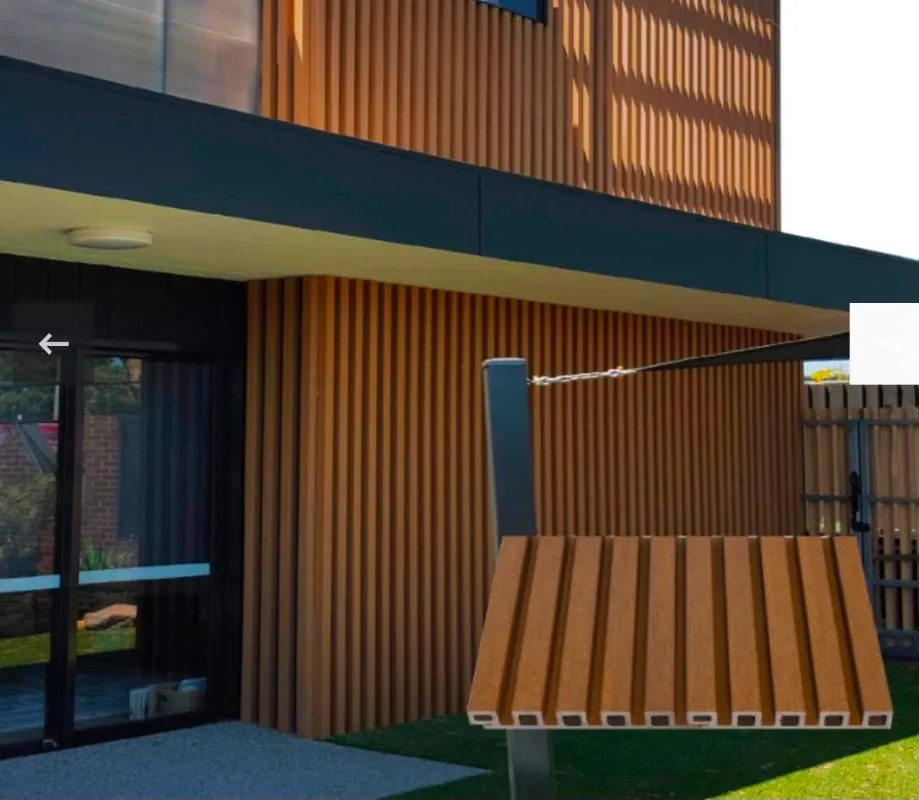
Among these emerging solutions, WPC Wall Cladding has gained attention because it integrates wood-like visual characteristics with improved resistance against moisture, temperature changes, and daily environmental exposure. The material is gradually becoming an alternative option for residential buildings, commercial spaces, and public projects where traditional materials may require more maintenance.
Outdoor spaces have become an essential extension of modern living. Whether it is a compact balcony, a private garden, a rooftop terrace, or a commercial courtyard, thoughtful Outdoor Decoration can significantly elevate comfort, aesthetics, and usability. This article explores how outdoor environments can be transformed through design principles, material selection, lighting strategies, furniture arrangement, and seasonal styling. It also addresses common challenges such as weather resistance, budget limitations, space optimization, and maintenance concerns.
Anti-collision wall panels have become a crucial element in modern architecture, interior design, and facility safety management. They not only protect walls from damage but also enhance aesthetics, improve hygiene, and contribute to energy efficiency. This article explores their benefits, types, installation methods, maintenance tips, and practical applications, providing a comprehensive guide for decision-makers, architects, and facility managers.
We use cookies to offer you a better browsing experience, analyze site traffic and personalize content. By using this site, you agree to our use of cookies. Privacy Policy


 22 2026-09
 14 2026-09
 27 2026-08
 31 2026-07
 25 2026-05
 09 2026-04